
Über den Kanon

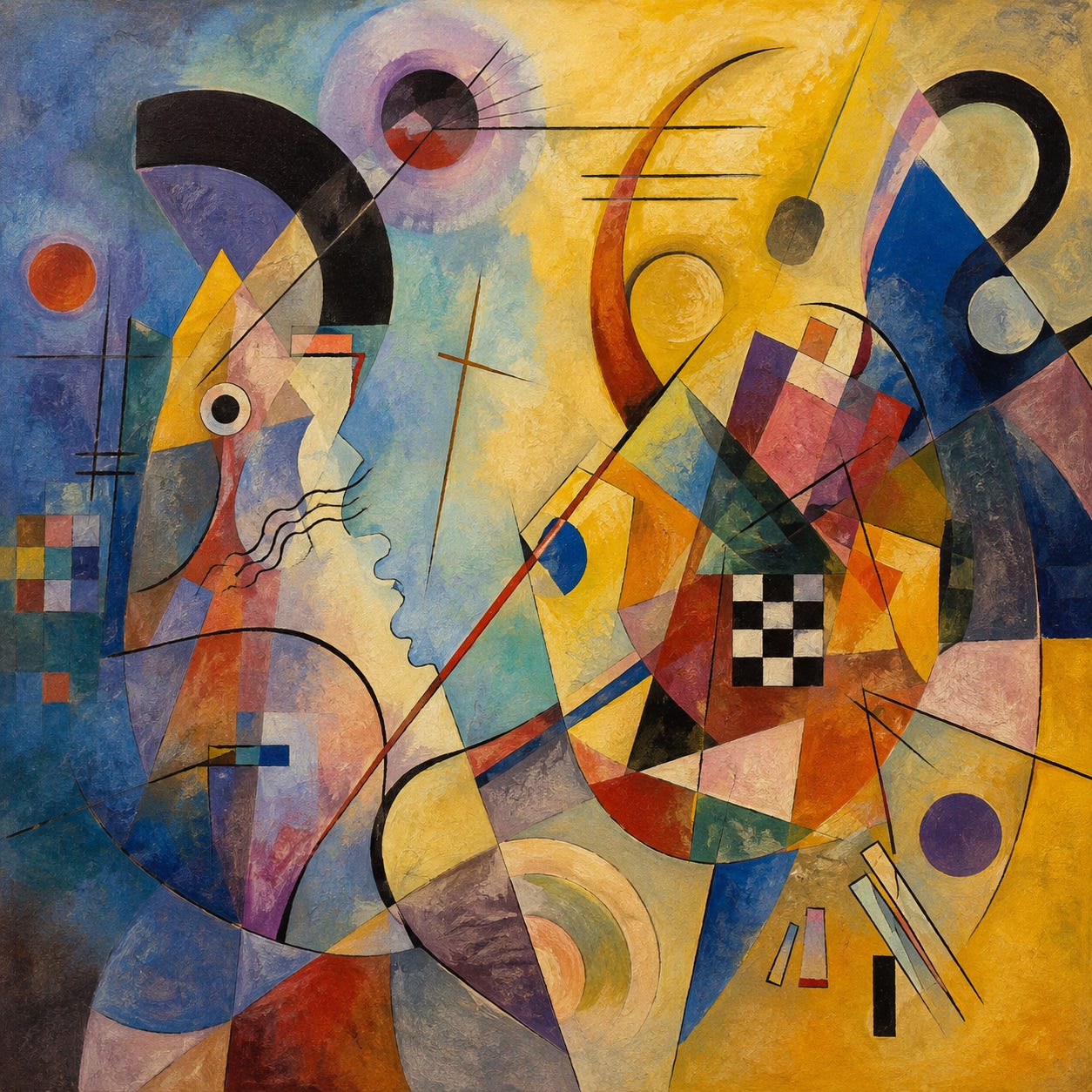
It is important to bear in mind that when it comes to taste we really only have personal opinion. There are many self-appointed and state-appointed gatekeepers, revered traditions, people whose job title suggests they know what’s up, people who are themselves artists and so we think they have better, more expert taste for other artists, etc. And yet, there are no real objective measures for what makes an artwork great, for anyone. Ever.
We have impression (how a piece of art feels in the moment, how beautiful or formally interesting we find it), intuition (how true we feel its message is, what other truths it reminds us of), what Jauss would call horizon of expectations (how we compare the work to past works and norms we have encountered), and context knowledge (what we know about a particular work at hand before we immerse ourselves in it). What we walk away thinking about a work of art we have just encountered will be a combination of these four things.
A canon is the accumulated such opinions of many independent people across often a vast span of time. We praise Hamlet not just because it is good—in that primal, first impression, intuitive sense—but because it is so good that innumerable people across centuries have independently come to the same conclusion that it is a masterpiece. Canons in this sense are basically statistical. The opinions of many, including the right gatekeepers and curriculum-makers, elevate you into it, and then subsequent generations of opinions keep you there. No small feat! When something is called a “classic,” that is worth being taken seriously.
Having run a cultural institution for intellectual conversations for so many years, both hosting these conversations and just attending countless salons online and offline in our spaces, I am more confident than ever in advising people to trust their own taste. Across tens of thousands of such conversations, I have never met a person who didn’t have an innate capacity for good taste.
Taste is not something we copy or learn from others, but something we are all born with and must learn to feed and amplify in both ourselves and others. A great way to improve one’s own taste is not just filling our brains with the art of others, but by creating things ourselves as well, seeing the whole process from the inside. If you write yourself, even if only privately, you will understand books better—you don’t have to be a Pulitzer-winning author to have this power.
And so a “canon” is never fixed and it is never a monologue. It is the legacy and tradition that aggregate the opinions of other people on the one side, and your own impressions, intuitions, and judgements on the other, always interacting, always—when done well—influencing one another. In 2026, a well-timed blogpost, podcast episode, or Letterboxd review can rediscover a “lost” work of art for the entire global community. We are all stewards of the canon. The canon is us.
Anna Gát, interviewt von Joel Miller. Hier das ganze Gespräch.